
Structuring Effective All-Region Sectionals
Sep 01, 2026
Estimated Read Time: 5 minutes
By Rob Chilton
In my last post, Preparing Students for All-Region: A System That Works, we discussed my overall process for preparing students for the experience of auditioning for All-Region. In it, I recommended creating a weekly sectional schedule where each instrument group can meet for about an hour.
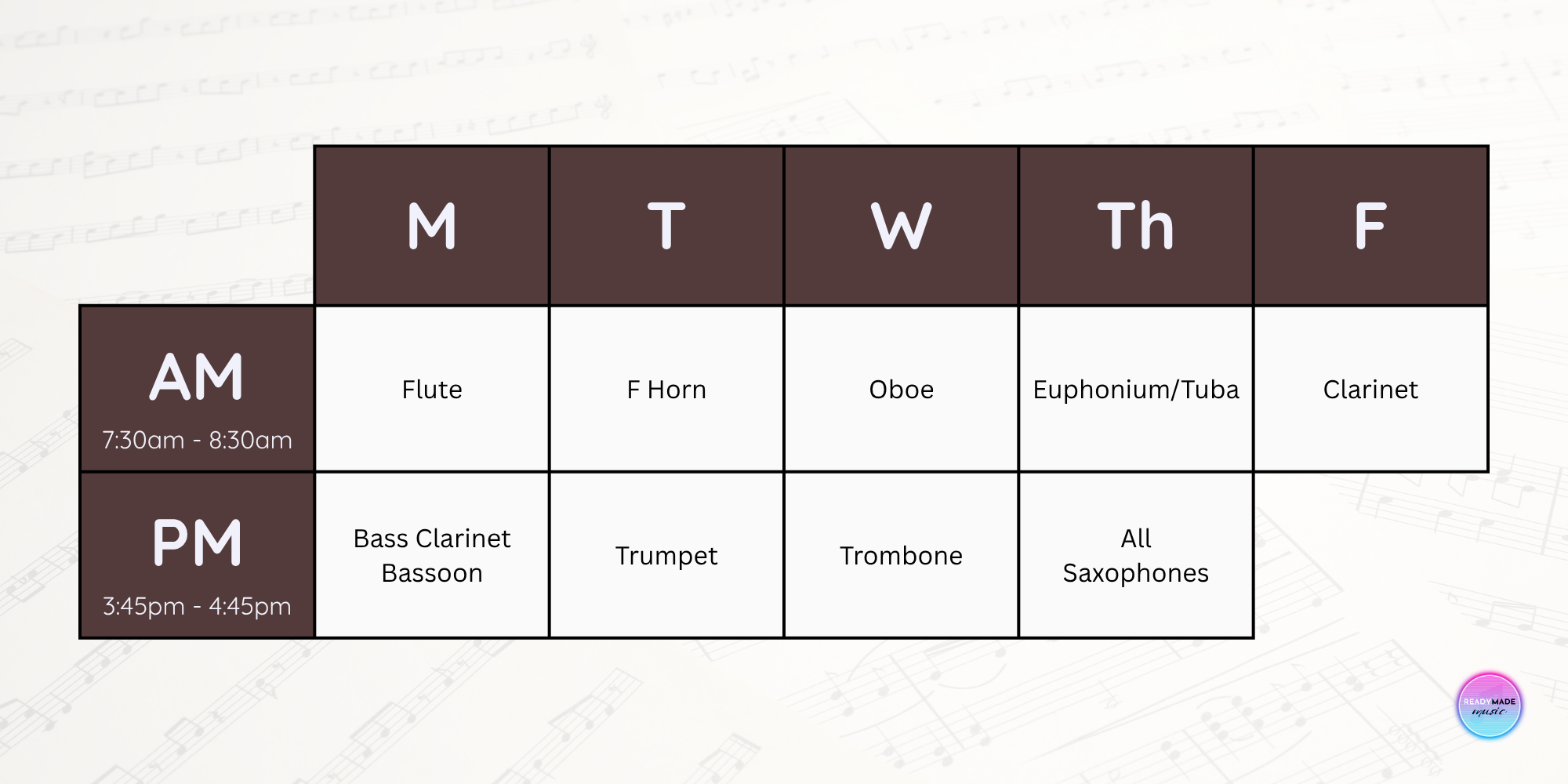
Depending on your calendar, you may only get 8-12 of these rehearsals before students audition. That isn't much time. So, using sectional time wisely isn't just good practice, it's necessary. Here are some of the strategies that helped me make the most of every rehearsal.
Protect Your Instructional Time
I’m always looking for ways to protect instructional time. One way I do this is by asking students to arrive 5-10 minutes early to warm up independently in lieu of a group warm-up. Then, when sectional time starts, we can dive directly into the audition material.
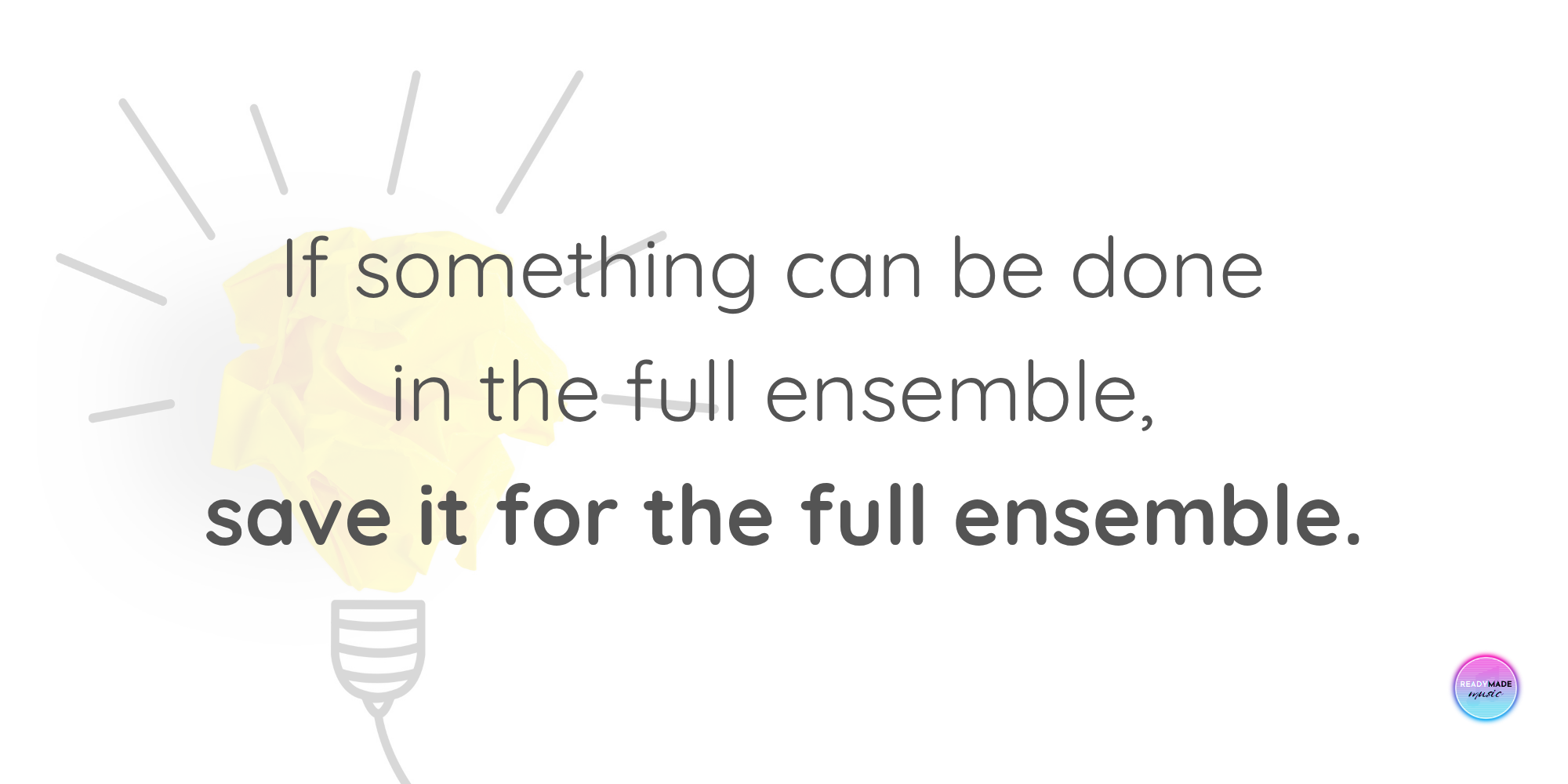
It's not that warm-ups and fundamentals aren't important, because they absolutely are. But with difficult music and limited instructional time, we have to prioritize the things that can only happen when we have those specific instrument groups in front of us. I often remind myself that if something can be done in the full ensemble, save it for the full ensemble.
And saving just 10-15 minutes on warm-ups each week translates to roughly 1-3 hours of instructional time on the audition material over the full All-Region season. That's significant.
Prioritize New Material
In my last post, I showed how I divide the etudes into smaller cuts and map them out in a sectional syllabus.
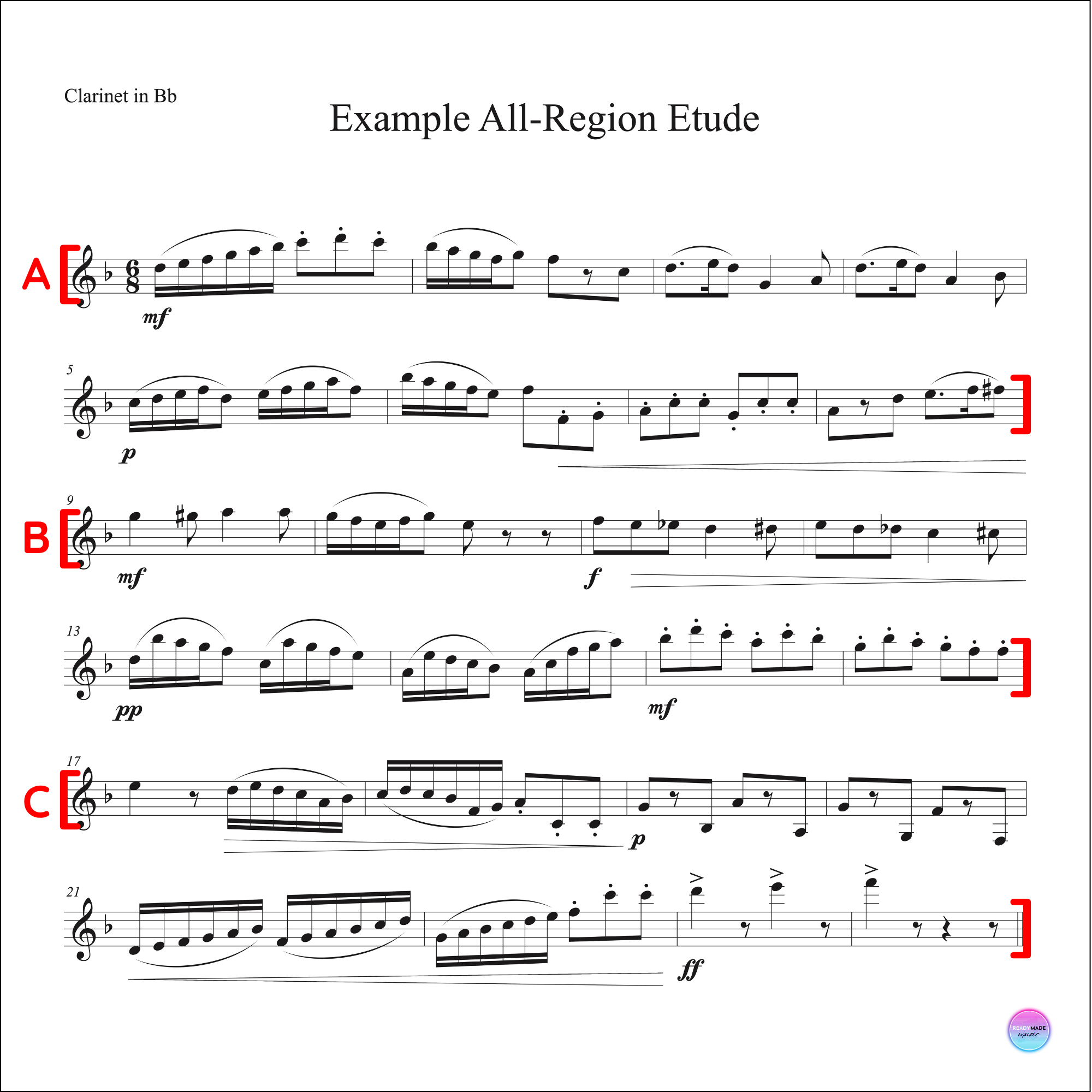
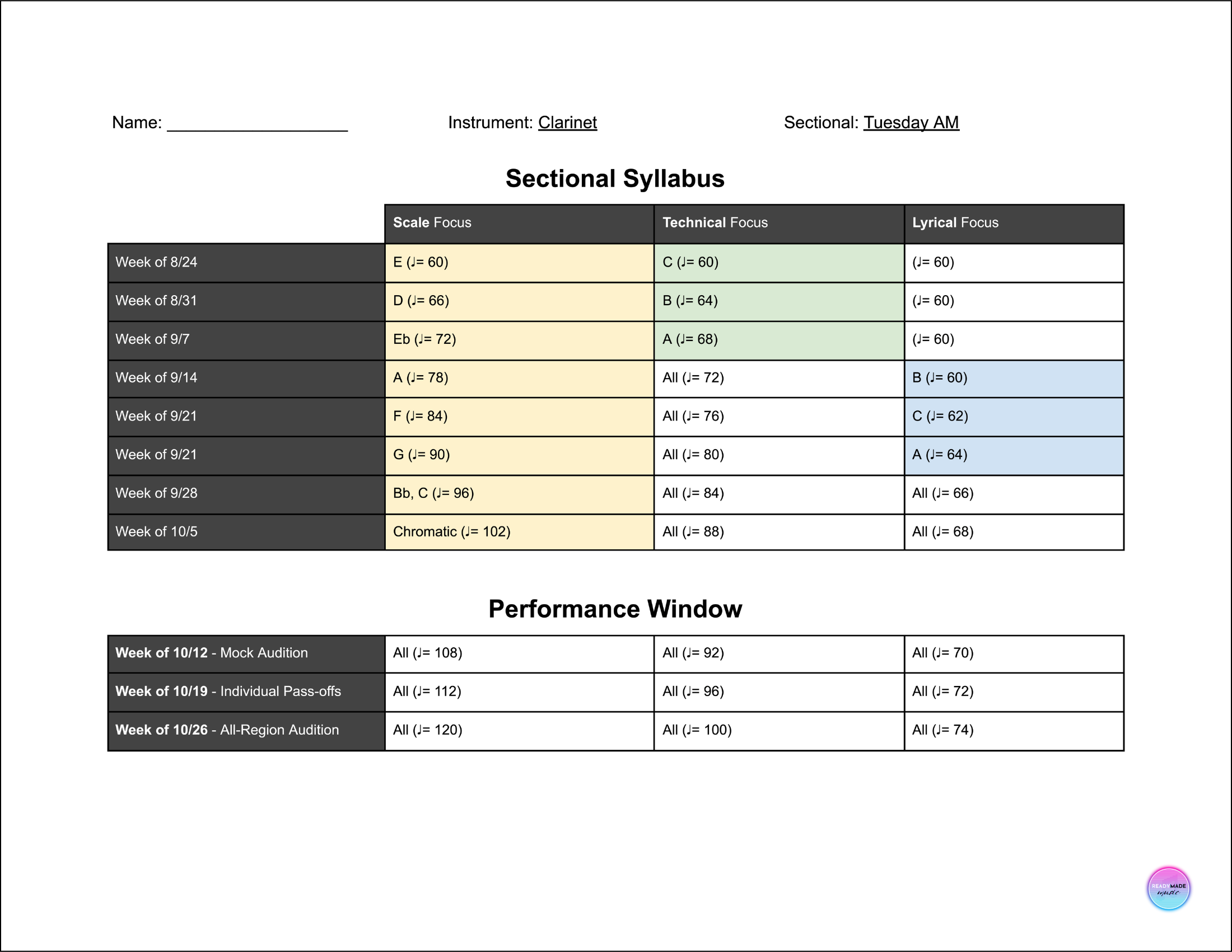
Once rehearsal begins, my first priority is covering the new material for the week. That means diving headfirst into the next scale or cut and teaching the things students don’t yet know. Only after I've adequately covered the week's new material will I consider reviewing previously introduced material.
Early in my career, I spent too much time reviewing and drilling previously learned material. We became increasingly comfortable with the initial material while falling behind on everything else. The result was a frenzy to cover the remaining music before the audition—and that’s not the feeling you want students carrying into their big day.
I often remind myself that our job isn't to practice for our students. It’s to teach them the material and give them the tools to practice successfully on their own. My priority is to do for students what they are unable or least likely to do for themselves.
Break Difficult Music Down Further
Sometimes the weekly "cut" is still too difficult. In that case, break it down further. If necessary, teach one measure, beat, motif, rhythm, or fingering pattern at a time. The goal is to create enough achievable steps that students can experience success while building toward the larger passage. A few strategies I use frequently:
- Tempo Reduction: If an etude will eventually be performed at 100 bpm, we might initially learn it at 50 or 60.
- Identify Notes & Fingerings: Young players may encounter unfamiliar notes, accidentals, or registers. Slow down and identify them one at a time when necessary.
- Isolate the Rhythm: For unfamiliar rhythms or meters, isolate the rhythm before adding pitches. I'm a big fan of clapping because it's harder to fake than counting.
- Repeat Passages Deliberately: I use what I call the "Rule of 3." When we're first learning something, I'll say, “Let’s do three reps to practice." That tells students I expect mistakes. Once something is achievable, I'll say, “Let’s get three good reps before we move on." Now I'm asking for consistency.
Assess with Down-the-Rows
You don't need a formal playing test to know whether students are learning. In fact, I avoid testing in sectionals for the same reason I skip the group warm-up—to protect instructional time. Instead, I’m a big fan of quick, informal assessment throughout rehearsal. One of the easiest is simply going down the row.
➡️ Working on measure 4? Pass it down the row.
➡️ Learning a new note? Pass it down the row.
➡️ Checking a rhythm? Pass it down the row.
And down-the-rows aren’t just about assessment. They also introduce accountability by silently communicating that everyone is expected to participate and learn. Not to mention, students can learn from hearing each other—and I get opportunities to highlight when someone does something especially well.
Check out our music literacy method!

Is It a Knowledge or Skill Issue?
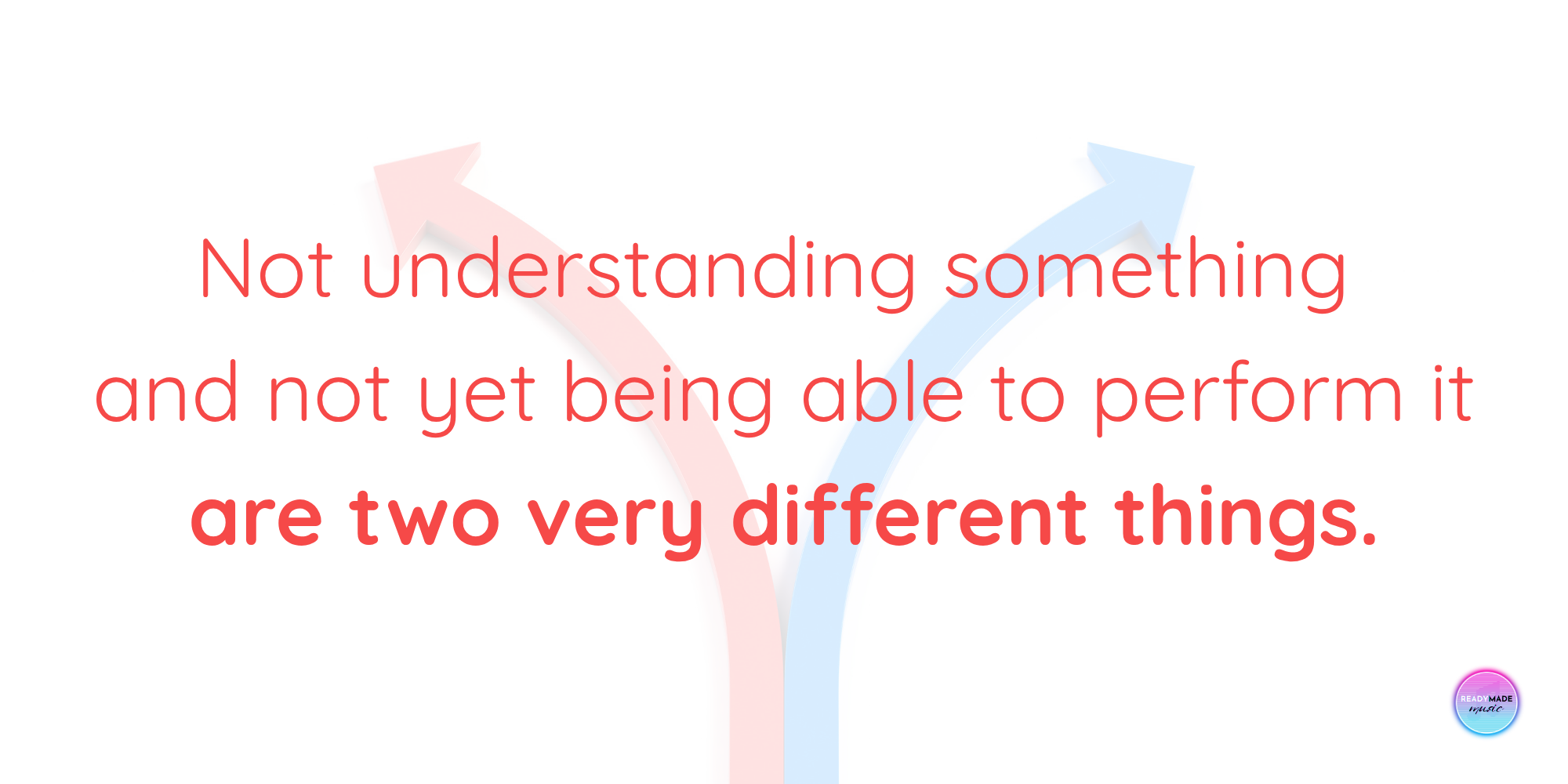
It's important to help students distinguish between a comprehension problem and a skill problem. Not understanding something and not yet being able to perform it are two very different things—and students often blur the lines between them.
A student might say, “I don't know how to play measure 12.”
So I'll ask, “Do you not understand it, or can you just not yet play it?”
If the student doesn't understand the notes, rhythm, fingerings, articulation, or musical markings, they probably need my help. If they understand what to do but can't execute it yet, they need more repetition and practice.
Sectional time should prioritize comprehension first. That's the part students often have the hardest time developing independently. Once they understand the music, much of the remaining skill development can happen through practice.
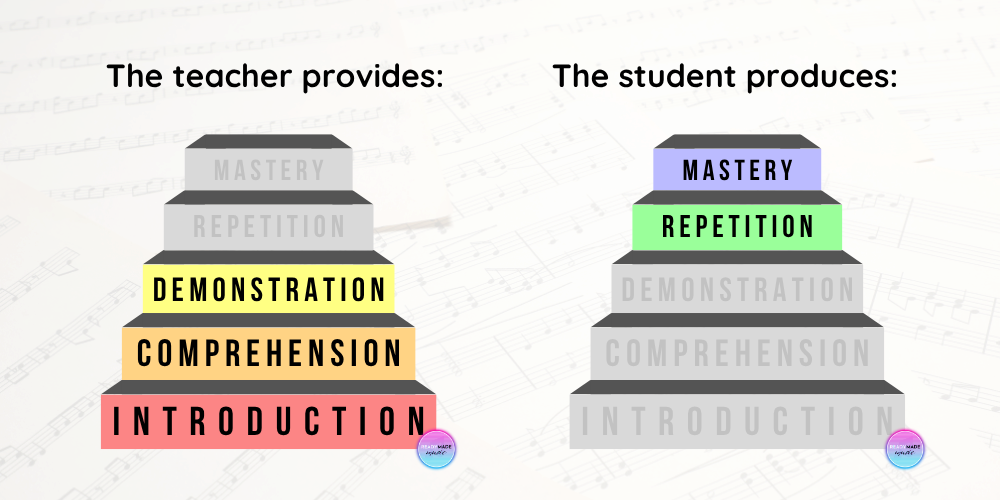
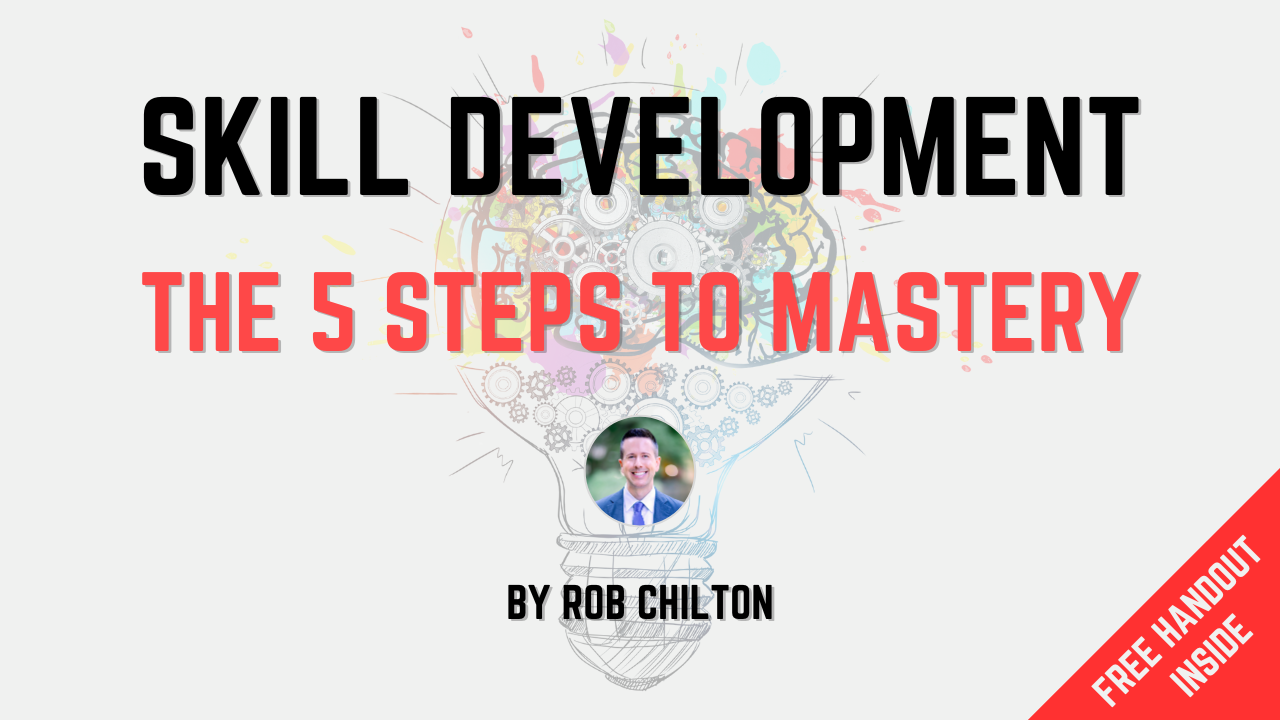
If you'd like to read more about my "5 Steps to Mastery" philosophy pictured above, check this post: Skill Development: The 5 Steps to Mastery.
Check for Understanding Constantly
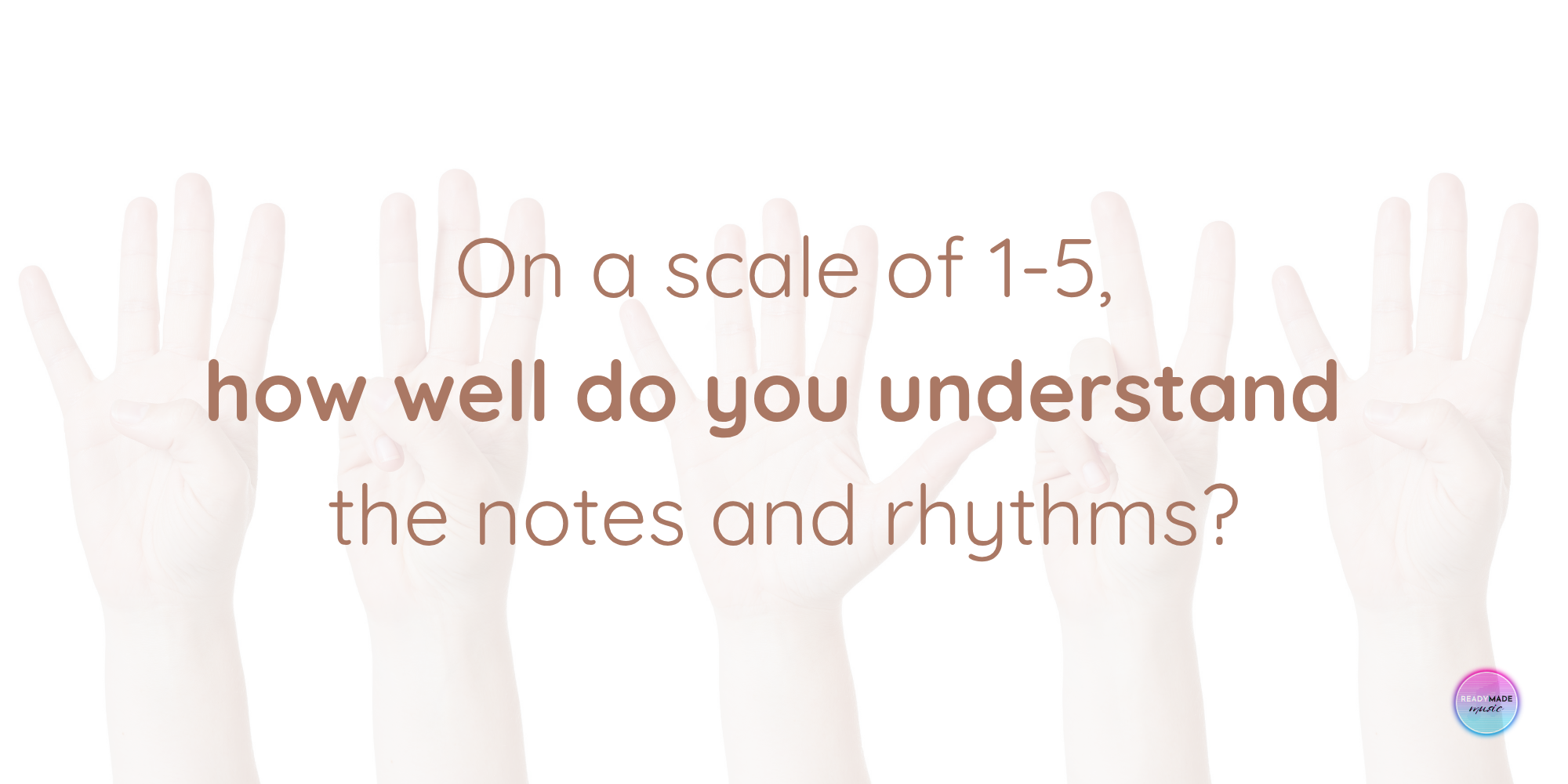
I also frequently use a simple 1-5 check for understanding. I'll ask students:
“On a scale of 1-5, how well do you understand the notes and rhythms in this passage?”
Then I have them close their eyes and show me their answer with their fingers. Within a few seconds, I can see whether I have a group of 4s and 5s ready to move on, or a room full of 2s telling me we need another explanation. And more importantly, students have to stop and evaluate their own understanding. That's a skill too.
Final Thoughts: Keep Moving Forward
All-Region sectionals shouldn't feel rushed, but they do need to move. We have limited opportunities to get instrument-specific groups together, and the audition date isn't moving.
For me, the goal is to use those rehearsals to do the things students are least equipped to do themselves, such as introducing unfamiliar material, building comprehension, breaking difficult passages into achievable steps, and sending students home equipped to do the repetition and practice required for mastery.
Consider this:
Every minute we spend doing something students could have done independently is a minute we don't have for something that requires a teacher.
In my next post, we'll shift from how to prepare the music to how to help students mentally and physically prepare for audition day.
Related reading:
Suggested posts:
Suggest a topic:

Never miss a new post!

Learn about Readymade Music Literacy:

About the author:

Rob Chilton is the creator and owner of Readymade Music, LLC and its content. Previously, Chilton was a middle school band director from 2007-2021. His most recent teaching position was the Head Band Director at Killian Middle School in Lewisville, Texas from 2014-2021.
Under his direction, the Killian Honors Band was named the 2018 Texas Music Educators Association CC Honor Band and performed at the annual 2018 TMEA Clinic/Convention. In 2019, the Killian Honors Band was invited to and performed at The Midwest Clinic in Chicago. Additionally, the Killian Honors Band was named a National Winner in the Mark of Excellence National Wind Band Honors Project in 2015, 2016, 2017, 2018, and 2019.
Chilton is a graduate of Southern Methodist University where he had the opportunity to study music education with Lynne Jackson and Brian Merrill. During his years as a middle school band director, Chilton continued his professional growth under the guidance of his primary clinicians, John Benzer and Brian Merrill.
Chilton’s mission for Readymade Music is to promote the overall well-being of music education and support school music teachers by providing solutions to help make teaching music more efficient and inspirational while increasing engagement for 21st century learners.

© 2026 Readymade Music, LLC
All rights reserved.
The unauthorized distribution and/or reproduction of this work is illegal.
