
Keep the Music Alive This Summer: 8 Ways to Keep Students Engaged and Practicing
May 01, 2026
Estimated Read Time: 5 minutes
By Rob Chilton
Do your students actually practice over the summer?
Do you spend the first few weeks of school rebuilding skills, confidence, and enrollment?
I’ve always had mixed feelings about summer. On one hand, time off is important. On the other, it often felt like we had just spent nine months building and refining skills—only to let them sit dormant or regress for three.
Worse, the students who didn’t play at all over the summer were often the same ones filling out schedule change requests on the first day of school. How can we help students maintain both skill and interest in music?
While there’s no one-size-fits-all solution for every program, here are eight things you can do to help students retain and grow over the summer—and return ready for the fall.
Disclaimer
This list is intended for those who want to offer optional enrichment opportunities over the summer. None of these were required in my program, and no one should feel pressure to add work outside of contract time.
If you do decide to implement something, start small. Add one or two things this year, and build from there.
1. Talk About It
This may seem obvious, but it’s often overlooked. Set aside time the last few weeks of school to repeatedly talk about summer practice. Answer common questions such as:
- How often should we practice?
- What should we practice?
- What if we’re traveling?
- What happens if I don’t practice?
- What opportunities are available?
I tell my students to aim for 4-7 days a week—and to avoid skipping more than one day in a row. The real danger isn’t missing a day. It’s missing two, then three, then a week. Then before you know it, the summer has passed and you’ve barely played at all.
We also talk about travel. My general recommendations are:
- Visiting family? Ask to bring your instrument.
- Going on a vacation? It’s okay to leave it at home.
2. Prepare a Summer Music Packet
Send students home with a packet of music and materials to remove the question of what to practice. My typical packet included:
- Ensemble warm-ups
- A fresh scale sheet (adjusted by level)
- 3-4 pep tunes for the fall
- 1-2 concert pieces
- A checklist of summer opportunities
The more specific you are, the more likely students are to engage.
3. Share Summer Camp Opportunities
Make a list of summer band camps within a reasonable distance and share it with your students. For example, in the Dallas area, we included camps at places like University of North Texas, Baylor, Texas Tech, and West Texas A&M.
Will students attend? Maybe.
When I first started sharing these, no one went. But over time, a few did—and they had a great experience, told their friends, and participation grew. Eventually, we had a handful attending camps each summer.
4. Host a Local Band Camp
If it’s feasible, consider hosting a local camp. In two districts where I taught, Plano ISD and Lewisville ISD, we hosted a district-level camp during the first or second week of summer. The basic parameters were:
- Monday-Friday
- 4 hours per day
- Alternating between full band and sectionals
- Guest clinician for full band
- Sectionals taught by district directors
- 3-5 pieces learned
- End-of-week concert
We also included a small social component each day, such as popsicles, games, or a quick activity.
5. “Music Mondays”
Every other Monday or so, we opened the band hall for what we called Music Mondays. These were usually:
- 2 hours long
- Casual rehearsal of pep music
- Followed by social time with a snack or treat
Students really looked forward to socializing with their peers, many of whom they don’t get to see over the summer. Some weeks we served popsicles or ice cream. Other times it was pizza. Once a summer, we also brought out a snow cone truck.
If you try this, consider using a weekly sign-up. It helps with planning instrumentation and snacks. Also, keep it low-pressure. The goal is connection, not perfection.
Check out our music literacy method!

6. Back-to-School Camp
This was one of the most important things we did each year. Our back-to-school camp typically lasted four days and often involved our high school cluster:
- Day 1-2: One-hour sectionals on campus
- Day 3: Full rehearsal with the high school
- Day 4: Social event (bowling, waterpark, etc.)
This camp helped students ease back into playing, rebuild confidence, and reconnect socially. It also created momentum heading into the school year.
7. Summer Practice Incentives
Consider offering a simple incentive system for summer practice. Options might include:
- Bingo cards
- Pass-off charts
- Method book goals
- Scale challenges
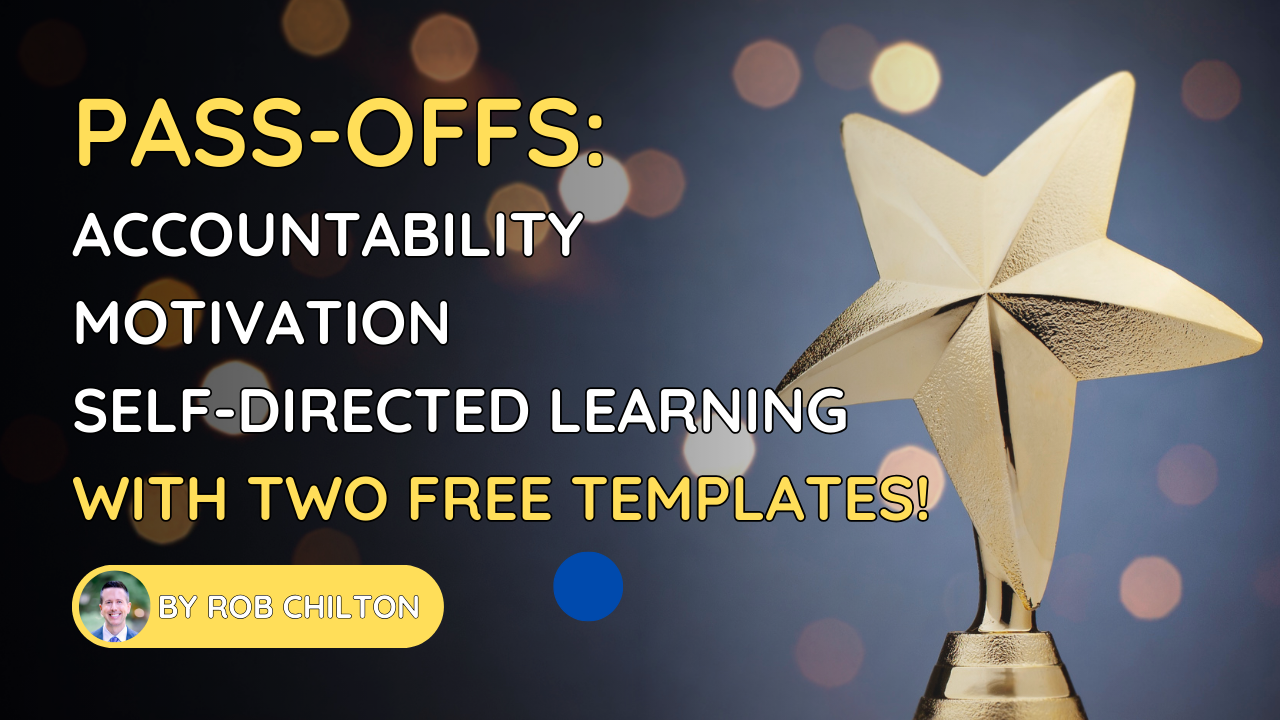
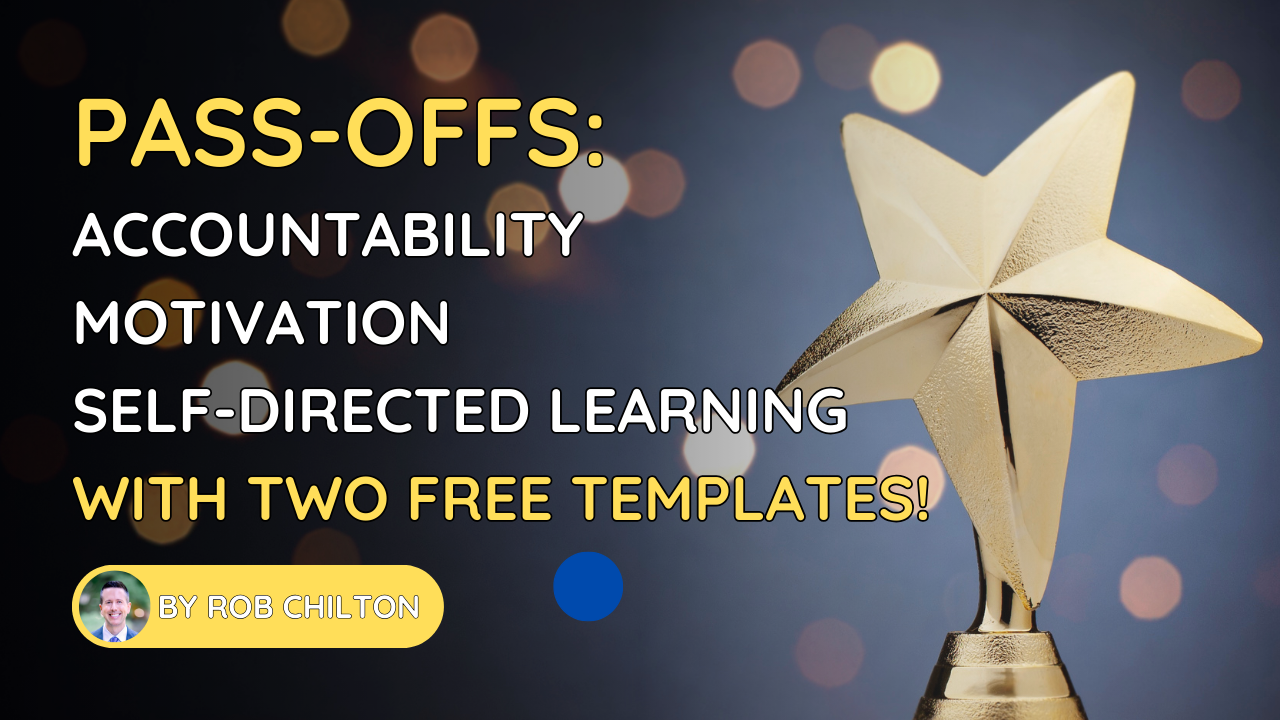
At my last program, we had a pass-off system we did during the school year that we allowed students to continue doing over the summer. They could submit up to two pass-offs per week through Google Classroom. Not every student participated, but some did. And those small wins add up. You can read more about the pass-off system here:
8. Track Participation
It can be helpful to track who is engaging in summer activities, not as a “gotcha,” but as a way to stay aware. If a student hasn’t been visible all summer, and there aren’t known circumstances like extended travel, it may be worth a quick check-in with the family before school starts.
These students are the most vulnerable to dropping our course the first few days of school, and sometimes simply reaching out is enough to ease their concerns and keep them in.
Final Thoughts
Will every student practice over the summer? Attend a camp? Show up to a Music Monday? Some will. Some won’t. But one thing is certain, students won’t engage in opportunities that don’t exist.

My first Music Monday had fewer than 10 students. By the second year, it was 25-30 per event. A few years later, we were seeing 60+ on a regular basis. And we noticed similar trends in the other activities!
Most students want to participate. They want to make music, socialize, and get out of the house. And when you create consistent, low-pressure opportunities, more of them will. You’ll also see stronger retention in both enrollment and skills.
Related post:
Never miss a new posting!

Check out this short video!

About the author:

Rob Chilton is the creator and owner of Readymade Music, LLC and its content. Previously, Chilton was a middle school band director from 2007-2021. His most recent teaching position was the Head Band Director at Killian Middle School in Lewisville, Texas from 2014-2021.
Under his direction, the Killian Honors Band was named the 2018 Texas Music Educators Association CC Honor Band and performed at the annual 2018 TMEA Clinic/Convention. In 2019, the Killian Honors Band was invited to and performed at The Midwest Clinic in Chicago. Additionally, the Killian Honors Band was named a National Winner in the Mark of Excellence National Wind Band Honors Project in 2015, 2016, 2017, 2018, and 2019.
Chilton is a graduate of Southern Methodist University where he had the opportunity to study music education with Lynne Jackson and Brian Merrill. During his years as a middle school band director, Chilton continued his professional growth under the guidance of his primary clinicians, John Benzer and Brian Merrill.
Chilton’s mission for Readymade Music is to promote the overall well-being of music education and support school music teachers by providing solutions to help make teaching music more efficient and inspirational while increasing engagement for 21st century learners.

© 2026 Readymade Music, LLC
All rights reserved.
The unauthorized distribution and/or reproduction of this work is illegal.
